
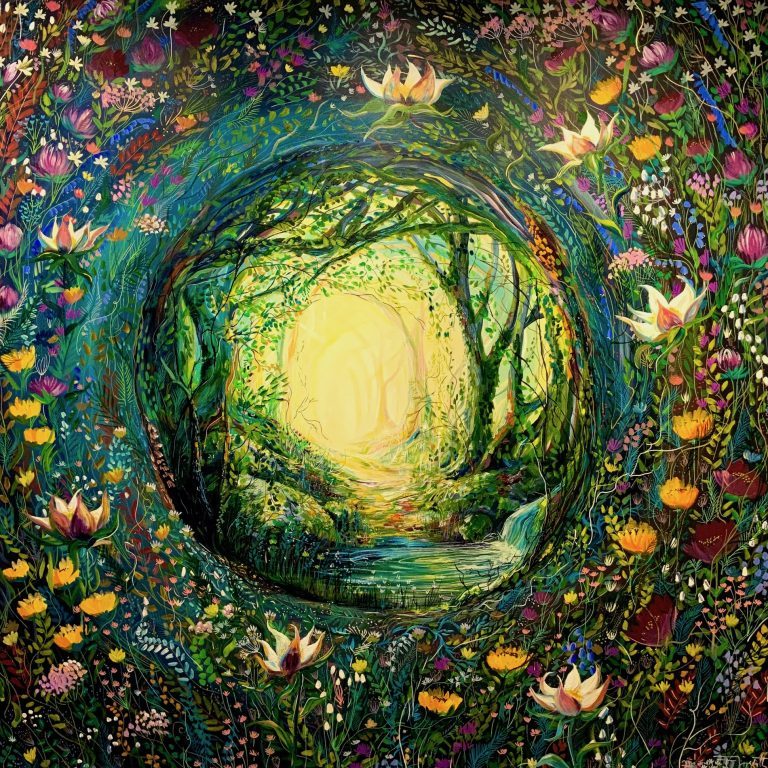
Bealtaine: A Celebration of Nature, Renewal, and the Cycles of Life
Bealtaine, pronounced ‘byell-tan-eh’, is one of the four main Gaelic seasonal festivals, marking an important turning point in the year. Alongside Samhain (Halloween/All Saint’s Day), Imbolc (St Brigit’s Day/beginning of spring), and Lughnasa (beginning of harvest season), Bealtaine holds deep agricultural and spiritual significance in the Celtic calendar. The name itself is believed to be derived from the Celtic healing god Belenus, and the month of May, “Mí na Bealtaine,” still carries this ancient association. Like many festivals of Pagan Ireland, Bealtaine is intrinsically connected to nature, offering a time to honor the cycles of growth, fertility, and prosperity.
The festival of Bealtaine marks a time when the earth awakens, and the abundance of nature begins to unfurl in full bloom. Traditionally, Bealtaine was a time when cattle were driven out to high pastures, making it a festival associated with pastoralism and the renewal of life on the land. This seasonal shift was marked not only by agricultural activities but also by a deep reverence for nature’s cycles. With the first flush of summer, communities would come together to celebrate the fertility of the land and its creatures, giving thanks for the prosperity that would come in the months ahead.
One of the most notable aspects of Bealtaine is its deep connection to fire, a symbol of transformation, protection, and life-giving energy. Bonfires were a central feature of the festival, just as they are during Samhain. These sacred flames were believed to offer protection, bring fertility to the land, and ward off evil. People would walk around or jump over the fires, symbolizing purification and a wish for health, prosperity, and good fortune. Some of the most famous Bealtaine rituals were carried out at the Hill of Uisneach in County Westmeath, a historic site believed to have been a central gathering place for the festival. Evidence of large fires and charred animal bones found at the site suggests that ceremonial offerings, including animal sacrifices, were made to honor the gods and spirits of the land.
Herds of cattle would be driven between the bonfires, a purification ritual meant to protect the animals from disease and ensure their fertility in the coming months. These rituals were performed by druids and community leaders, who also offered blessings for crops, encouraging healthy growth and abundance in the coming season. The belief in the power of fire to bring about these blessings was so strong that it became an integral part of the festival’s practice, symbolizing the hope for a prosperous and abundant future.
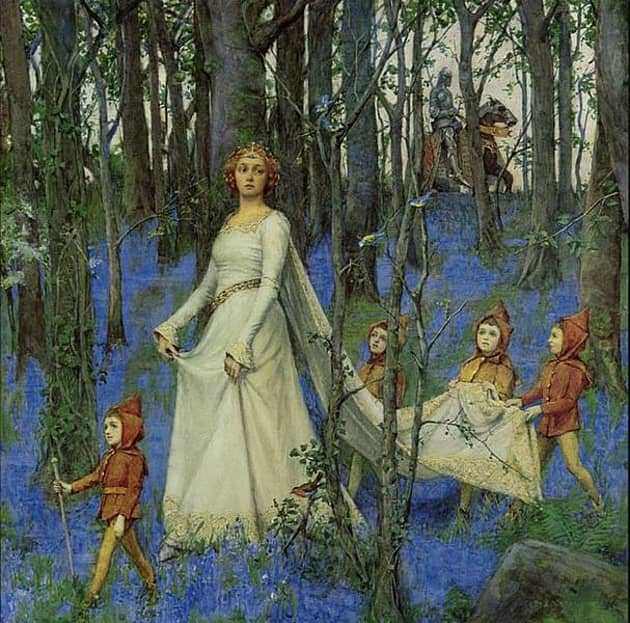
In Irish folklore, the aos sí – the fairy folk – were thought to be especially active during festival times. At Bealtaine, people believed that the veil between the physical world and the spirit world was particularly thin, allowing the aos sí to wander freely. To appease these supernatural beings and ensure the safety and wellbeing of their homes, people would offer food and drink, leaving it out in offerings to the fairies. May flowers—particularly those in yellow and white, such as hawthorns, primroses, or marsh marigolds—were often placed on doorsteps or hung above doors to prevent misfortune and protect the home from evil.
As the centuries passed and Christianity arrived in Ireland, it sought to replace many of the ancient pagan customs. However, Bealtaine, like many other festivals, was not easily erased. Elements of Christianity were woven into the traditional Bealtaine celebrations. For example, people began to decorate holy wells, grottos, shrines, and altars with May flowers, blending the old pagan practices with the Christian celebration of the Virgin Mary. This cultural fusion ensured that the spirit of Bealtaine continued to thrive, even in the face of religious change.
Today, Bealtaine is still celebrated with a deep connection to nature, renewal, and community. The festival serves as a reminder of the ancient rhythms of the earth, offering an opportunity to pause and reflect on the cycles of growth and rebirth that surround us. Whether through bonfires, floral offerings, or simply taking time to connect with the natural world, Bealtaine encourages us to celebrate the joy and abundance of life in all its forms.
Bealtaine and Steiner Education
The celebration of Bealtaine aligns beautifully with the principles of Steiner Education, which emphasizes a deep connection to nature, the rhythms of the seasons, and the importance of community. Just as Bealtaine celebrates the awakening of the earth and the renewal of life, Steiner Education nurtures a child’s connection to the natural world, helping them understand the cycles of life and growth. Both share a commitment to fostering creativity, imagination, and reverence for the earth, encouraging children and adults alike to engage in meaningful, seasonal activities that honor the rhythms of the natural world. Through rituals like those seen in Bealtaine, both the festival and Steiner Education remind us of the importance of living in harmony with the earth’s cycles, celebrating the beauty and vitality of life in every season.